
Six-speed manual transmissions offer drivers six forward gear ratios, enhancing control and efficiency. These gearboxes provide a balance between performance and fuel economy.
Modern vehicles increasingly utilize these transmissions, offering a more engaging driving experience compared to automatics, and improved power delivery.
What is a Manual Transmission?
A manual transmission, also known as a standard transmission, fundamentally relies on the driver to select gears using a gear stick and clutch pedal. Unlike automatic transmissions, it doesn’t automatically change gears.
This system employs a series of gears with differing ratios, allowing the engine to operate efficiently across a range of speeds. Six-speed manuals specifically offer six forward gear ratios, providing a wider spectrum of options for optimizing power and fuel consumption. The driver directly controls the connection between the engine and wheels.
The Evolution to 6-Speed
Early manual transmissions typically featured three or four speeds, sufficient for the lower power outputs and simpler driving needs of the time. As engines became more powerful and demands for fuel efficiency increased, the need for more gears arose.
Five-speed manuals became common, but the pursuit of even finer control and improved economy led to the development of six-speed transmissions. These offer closer gear ratios, optimizing engine performance and providing a more refined driving experience, bridging the gap before more complex automatic systems.

Core Components of a 6-Speed Manual Transmission
Essential parts include the input shaft, output shaft, countershaft, gears, synchronizers, and the housing. These components work together to transfer engine power to the wheels.
Input Shaft
The input shaft is a crucial rotating component directly connected to the engine’s flywheel. Its primary function is to receive power from the engine and transmit it into the transmission.
Typically constructed from hardened steel, it must withstand significant torsional stress. Splines on the input shaft engage with the clutch disc, allowing for smooth power transfer when the clutch is engaged.
This shaft’s durability is paramount for reliable operation, ensuring consistent power delivery throughout the gear changes within the 6-speed system.
Output Shaft
The output shaft represents the final stage of power delivery within the 6-speed manual transmission. Its role is to transmit the adjusted torque and speed from the gearbox to the driveshaft, ultimately reaching the wheels.
This shaft features splines designed to connect with the driveshaft, ensuring a secure and efficient transfer of rotational force. Constructed from high-strength steel, it must endure substantial loads.
The output shaft’s rotational speed directly correlates to the vehicle’s speed, dictated by the selected gear ratio.
Countershaft
The countershaft, also known as the lay shaft, is a crucial intermediary component within the 6-speed manual transmission. Its primary function is to transfer power from the input shaft to the output shaft via a series of meshing gears.
Constantly rotating when the transmission is engaged, the countershaft’s gear arrangement dictates the available gear ratios. It’s supported by bearings to ensure smooth and efficient operation under significant stress.
The countershaft’s design is integral to the overall functionality and efficiency of the gearbox.
Gears and Gear Ratios
Gears within a 6-speed manual are meticulously sized to provide distinct gear ratios, influencing both vehicle speed and torque. These ratios determine the mechanical advantage at each gear, impacting acceleration and fuel efficiency.
Lower gears offer higher torque for launching and climbing, while higher gears prioritize fuel economy during cruising. A six-speed configuration allows for closer ratio spacing, optimizing engine performance.
Precise gear selection is key to maximizing the transmission’s potential.
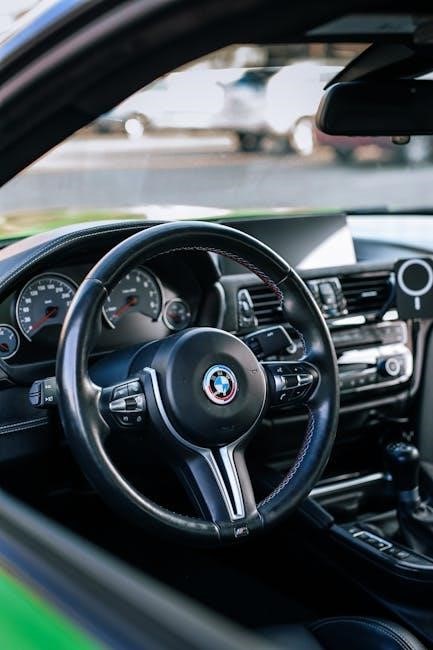
How a 6-Speed Manual Transmission Works
A 6-speed manual relies on the driver’s control of the clutch and shifter to engage different gear ratios, transferring engine power to the wheels.
Synchronizers ensure smooth gear changes.
The Clutch Mechanism
The clutch is a critical component, temporarily disconnecting the engine from the transmission, allowing for gear changes. When the clutch pedal is pressed, it disengages the engine’s flywheel from the transmission’s input shaft.
This interruption of power flow enables the driver to select a different gear ratio without damaging the gearbox. Releasing the pedal gradually re-engages the engine, smoothly transferring power through the selected gear. Proper clutch operation is vital for smooth shifting and preventing wear.
Shifting Process Explained
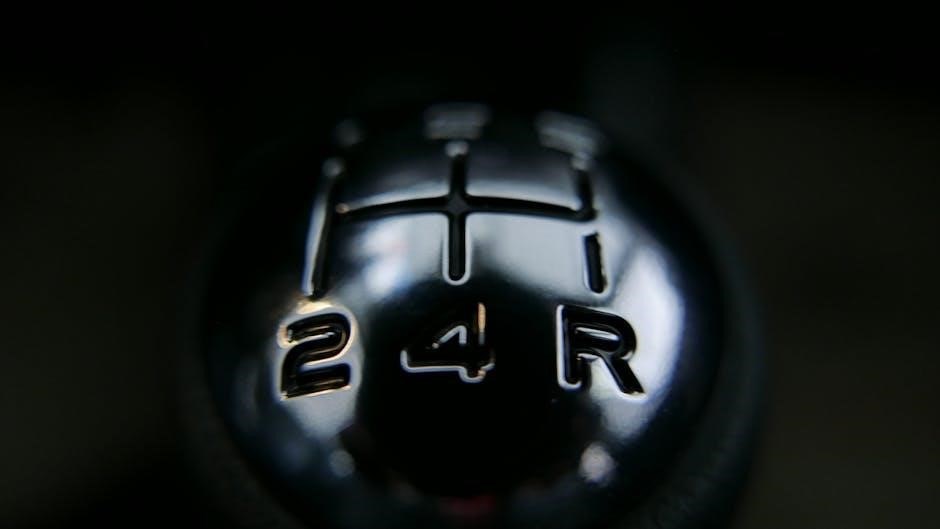
Shifting gears in a 6-speed manual involves a coordinated sequence. First, depress the clutch pedal to disconnect the engine. Next, move the gear lever to the desired gear position, utilizing the H-pattern layout.
Simultaneously, release the clutch pedal while gently applying throttle. This synchronizes engine speed with the new gear ratio. Smooth transitions require practice, coordinating pedal and lever movements for optimal performance and minimizing wear.
Synchronizers and Their Role
Synchronizers are crucial components within a 6-speed manual transmission, facilitating smooth gear changes. They equalize the speed of the input shaft and the selected gear before engagement, preventing grinding and ensuring a seamless shift.
These mechanisms utilize friction to match rotational speeds, allowing for effortless gear selection. Worn synchronizers can cause difficulty shifting or a grinding noise, indicating a need for maintenance or replacement.
Advantages of a 6-Speed Manual Transmission
Six-speed manuals deliver improved fuel efficiency, enhanced performance, and greater driver control. They offer precise gear selection for optimal power and responsiveness.
Drivers enjoy a more connected and engaging experience with these transmissions.
Improved Fuel Efficiency
A 6-speed manual transmission significantly boosts fuel economy by allowing the engine to operate within its most efficient RPM range more frequently. The wider range of gear ratios enables drivers to select the optimal gear for various speeds and driving conditions.
This precise control minimizes engine strain and fuel consumption, especially during highway cruising with the taller sixth gear. Compared to older transmissions, or even some automatics, a 6-speed manual offers substantial fuel savings, contributing to a greener and more economical driving experience.
Enhanced Performance and Acceleration
A 6-speed manual transmission delivers enhanced performance through closer gear ratios, keeping the engine within its power band during acceleration. This allows for quicker and more responsive acceleration compared to transmissions with fewer gears.
Drivers can precisely control engine speed, maximizing power output and achieving optimal performance. The ability to downshift efficiently provides immediate torque, improving responsiveness and overall driving enjoyment, particularly in sporty vehicles.
Greater Driver Control
A 6-speed manual transmission provides a significantly greater level of driver control compared to automatic systems. Drivers directly select gears, influencing engine braking and power delivery, fostering a more connected driving experience.
This direct control allows for precise adjustments based on road conditions and driving style. Techniques like engine braking and heel-toe downshifting become accessible, enhancing control during cornering and deceleration, ultimately improving overall driving confidence.

6-Speed vs. Other Manual Transmissions
Compared to 4 or 5-speed manuals, a 6-speed offers closer gear ratios, improving acceleration and fuel efficiency by keeping the engine in its optimal range.
This results in a more refined and versatile driving experience.
6-Speed vs. 5-Speed Manual
The primary difference between a 5-speed and 6-speed manual lies in the additional gear ratio. This sixth gear typically provides a lower engine speed at highway cruising, resulting in improved fuel economy and reduced engine noise.
Furthermore, the closer gear ratios in a 6-speed allow the engine to stay within its peak power band more consistently during acceleration. This translates to enhanced performance and a more responsive driving experience. While a 5-speed is simpler, the 6-speed offers greater refinement.
6-Speed vs. 4-Speed Manual
Compared to a 4-speed manual, a 6-speed offers significantly more granular control over the engine’s RPMs. The additional gears result in closer ratios, allowing for optimal power delivery and efficiency across a wider range of speeds.
A 4-speed typically has larger jumps between gears, potentially leaving the engine feeling strained or inefficient. The 6-speed’s extra gears improve acceleration, reduce fuel consumption, and provide a smoother, more refined driving experience overall, making it a substantial upgrade.
Modern Innovations in 6-Speed Manuals
Recent advancements include rev-matching technology, both standard and active systems, simplifying heel-toe downshifting and enhancing driving smoothness for all skill levels.
These innovations maintain driver engagement while improving the overall driving experience.
Rev-Matching Technology
Rev-matching is a technique where the driver increases engine speed to synchronize with the lower gear’s rotational speed during downshifts. This minimizes jolts and provides smoother transitions. Modern systems automate this process, using sensors and actuators to blip the throttle.
These systems enhance driving smoothness, particularly beneficial for those learning manual transmissions or during spirited driving. It reduces stress on the clutch and drivetrain, contributing to longevity. Rev-matching allows for more controlled cornering and a more refined driving experience.
Active Rev Matching Systems
Active Rev Matching (ARM) builds upon traditional rev-matching, automating the process for seamless downshifts. Sophisticated sensors monitor vehicle speed, engine RPM, and throttle position. The system then precisely controls the throttle, blipping it to align engine speed with the selected gear.
ARM enhances driving enjoyment and reduces driver workload, especially during aggressive driving. It minimizes drivetrain shock and improves lap times. Some systems offer adjustable settings, allowing drivers to tailor the level of intervention.

Common Issues and Maintenance
Regular maintenance is crucial for 6-speed manuals. Common problems include clutch wear, synchro mesh issues, and fluid contamination. Timely fluid changes prevent damage.
Addressing these issues promptly ensures longevity and optimal performance of the transmission.
Clutch Wear and Replacement
Clutch wear is a common issue in 6-speed manual transmissions, directly related to driving habits. Aggressive driving, frequent stop-and-go traffic, and “riding” the clutch accelerate wear. Symptoms include slipping gears, difficulty shifting, and a high clutch pedal.
Replacement involves disconnecting the transmission, removing the old clutch disc, pressure plate, and throw-out bearing, and installing new components. Proper alignment is critical for smooth operation. Cost varies based on vehicle and labor rates, but it’s a significant maintenance expense.
Synchro Mesh Problems
Synchro mesh issues in a 6-speed manual transmission manifest as grinding gears during shifts, particularly when shifting quickly or into higher gears. Synchronizers ensure gear speeds match before engagement; wear compromises this function. Causes include aggressive shifting, lack of proper gear oil, and general wear and tear over time.
Repair often requires transmission disassembly and synchro replacement. Ignoring the problem can lead to further damage to gears. Preventative maintenance, including regular fluid changes, can mitigate these issues.
Gear Oil and Fluid Changes
Regular gear oil changes are crucial for 6-speed manual transmission longevity. Fluid lubricates gears, synchronizers, and bearings, reducing friction and wear. Frequency varies, but typically every 30,000-60,000 miles is recommended, or more often with aggressive driving.
Using the correct viscosity and specification oil is vital; consult your vehicle’s manual. Neglecting fluid changes leads to increased wear, grinding, and potential transmission failure. Synthetic oils often offer superior protection.

The Driving Experience with a 6-Speed Manual
A 6-speed manual provides a connected feel, allowing precise control. Techniques like heel-toe downshifting enhance smoothness and performance, offering a rewarding experience.
Heel-Toe Downshifting
Heel-toe downshifting is an advanced technique for smoother transitions. It involves simultaneously braking with the ball of your foot and ‘blipping’ the throttle with your heel.
This matches engine speed to the lower gear, reducing jolts during downshifts. Mastering this skill requires practice, but it significantly improves driving fluidity, especially during spirited driving or track use. It minimizes disruption to vehicle balance and enhances control.
Smooth Shifting Techniques
Achieving smooth shifts in a 6-speed manual requires coordination. Fully depress the clutch, move the shifter decisively to the next gear, and simultaneously release the clutch while gently applying throttle.
Avoid rushing the process; a controlled release prevents jerking. Practice consistent pressure on both pedals. Proper technique minimizes wear on the synchronizers and delivers a refined driving experience, enhancing both comfort and performance.
Applications of 6-Speed Manual Transmissions
Six-speed manuals are commonly found in sports cars for performance, but also appear in everyday vehicles, offering drivers a connected and engaging driving experience.
Sports Cars and Performance Vehicles
Six-speed manual transmissions are a staple in the realm of sports cars and high-performance vehicles, providing drivers with ultimate control over the engine’s power band. This direct connection enhances the driving experience, allowing for precise gear selection during spirited driving and track use.
The availability of six forward gears enables optimized acceleration and responsiveness, while also contributing to improved fuel efficiency during cruising. Manufacturers often pair these transmissions with powerful engines, creating a synergistic relationship between driver, machine, and road.
Everyday Passenger Cars
Six-speed manual transmissions are increasingly found in everyday passenger cars, offering a compelling alternative to automatic transmissions. They provide drivers with greater control over fuel efficiency and a more engaging driving experience during daily commutes and longer journeys.
The wider range of gears allows for optimized engine operation at various speeds, contributing to better gas mileage and reduced emissions. While less common than automatics, these transmissions appeal to drivers who prioritize control and connection with their vehicle.
Future Trends in Manual Transmissions
Future manual transmissions may integrate with hybrid and electric vehicles, or evolve into automated manual systems, blending efficiency with driver engagement.
Innovation focuses on retaining the control of a manual while enhancing usability and adapting to new powertrain technologies.
Hybrid and Electric Vehicle Integration
Integrating 6-speed manuals into hybrid and electric vehicles presents unique challenges and opportunities. While seemingly counterintuitive, a manual transmission can offer drivers more control over regenerative braking and power delivery in these systems.
However, the instant torque of electric motors reduces the necessity for multiple gears. Future designs might utilize a manual gearbox for specific driving modes, like simulated engine braking or maximizing efficiency, offering a blend of traditional feel and modern technology. This could appeal to enthusiasts seeking a more connected driving experience.
Potential for Automated Manual Transmissions
Automated Manual Transmissions (AMTs) represent a fascinating evolution of the 6-speed manual. These systems retain the mechanical advantages of a manual gearbox but employ actuators to automate clutch operation and gear changes, eliminating the need for a traditional pedal.
AMTs offer quicker shifts and improved efficiency compared to traditional manuals, while still providing a direct connection to the drivetrain. They bridge the gap between fully automatic transmissions and the engaging experience of a manual, appealing to drivers seeking performance and control.

Understanding Gear Ratios in Detail
Gear ratios dictate the trade-off between torque and speed. Lower gears provide more torque for acceleration, while higher gears prioritize fuel efficiency at cruising speeds.
A 6-speed offers a wider range, optimizing performance across various driving conditions.
First Gear: Launching and Torque
First gear in a 6-speed manual transmission is engineered for maximizing torque, crucial for initiating movement from a standstill. This gear provides a substantial mechanical advantage, allowing the engine to overcome inertia.
It’s the lowest gear ratio, meaning the engine spins multiple times for each wheel revolution. This translates to strong acceleration, especially beneficial when towing or climbing inclines. However, first gear is not intended for sustained speeds; shifting to higher gears is necessary as velocity increases to avoid over-revving the engine and optimize efficiency.
Sixth Gear: Cruising and Fuel Economy
Sixth gear, the highest ratio in a 6-speed manual, is specifically designed for highway cruising and maximizing fuel economy. It significantly reduces engine RPMs at higher speeds, lessening fuel consumption and engine wear.
With a lower engine speed, the engine operates more efficiently, delivering a smoother and quieter ride. While providing less immediate acceleration, sixth gear excels in maintaining consistent velocity over long distances, prioritizing efficiency over rapid response.
The Role of the Flywheel
The flywheel stores rotational energy, smoothing power delivery from the engine. Its weight and inertia are crucial for consistent engine operation and clutch engagement.
Dual-mass flywheels reduce vibrations, enhancing driving comfort in modern 6-speed manual systems.
Flywheel Weight and Inertia
Flywheel weight significantly impacts a 6-speed manual’s responsiveness. Heavier flywheels store more energy, providing smoother launches and reducing engine stalling, particularly beneficial for spirited driving. However, increased weight can slightly decrease engine revving speed.
Inertia, the resistance to changes in rotational speed, is directly related to weight and radius. Higher inertia means smoother power delivery but potentially slower acceleration. Finding the optimal balance between weight and inertia is crucial for a desirable driving experience, tailored to the vehicle’s purpose and engine characteristics.
Dual-Mass Flywheels
Dual-mass flywheels (DMFs) are increasingly common in 6-speed manual transmissions, particularly in performance and modern vehicles. They consist of two rotating masses connected by a spring and damping system. DMFs effectively isolate engine vibrations, reducing noise and improving driving comfort.
This design minimizes drivetrain shock, protecting the transmission components. While offering superior refinement, DMFs are more complex and expensive than traditional single-mass flywheels, requiring specialized maintenance and potential replacement over time.
Troubleshooting Common Problems
Common issues with 6-speed manuals include grinding gears and difficulty shifting. These often stem from low fluid, clutch wear, or synchronizer problems requiring inspection.
Prompt diagnosis and repair are crucial to prevent further damage and maintain optimal transmission performance.
Grinding Gears
Gear grinding during shifts indicates a failure in the synchronization process. Synchronizers aim to match the speeds of the gears before engagement, preventing clashing. When worn, they can’t effectively equalize speeds, resulting in that unpleasant grinding noise.
Low transmission fluid can exacerbate this issue, reducing lubrication and hindering synchronizer function. Incorrect shifting technique, like rushing shifts, also contributes. Addressing grinding requires inspecting synchronizers, fluid levels, and driver habits to restore smooth operation.
Difficulty Shifting
Struggling to select gears in a 6-speed manual can stem from several causes. Worn or damaged shift linkages prevent clean gear engagement. Low or contaminated transmission fluid increases friction, hindering movement. A failing clutch may not fully disengage, making shifting difficult.
Internal transmission damage, like bent shift forks, can also be the culprit. Thorough inspection of linkages, fluid, clutch, and internal components is crucial for diagnosis and repair.
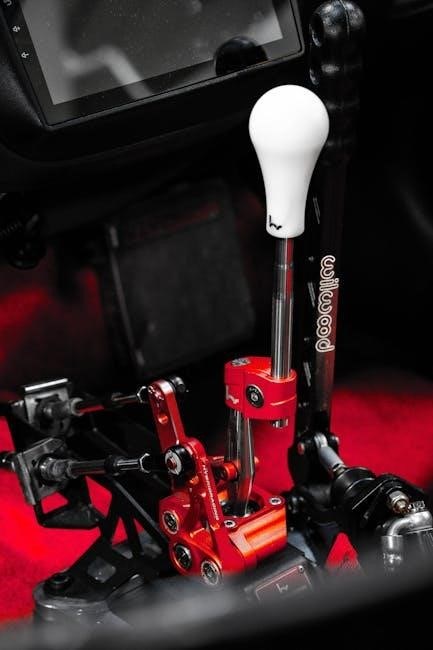
Selecting the Right Gear Oil
Choosing the correct gear oil is vital for 6-speed manuals. Viscosity and specifications must match manufacturer recommendations for optimal lubrication and protection.
Synthetic oils generally offer superior performance and durability compared to conventional options.
Viscosity and Specifications
Gear oil viscosity, measured using grades like 75W-90, significantly impacts transmission performance. The “W” indicates winter performance, while the numbers denote viscosity at different temperatures.
Specifications, often defined by API (American Petroleum Institute) or manufacturer standards, ensure compatibility and proper lubrication. Using the wrong viscosity can lead to poor shifting, increased wear, and even transmission failure. Always consult your vehicle’s owner’s manual for the recommended viscosity and specifications to maintain optimal 6-speed manual transmission health.
Synthetic vs. Conventional Oil
Synthetic gear oils offer superior thermal stability and shear resistance compared to conventional oils, excelling in high-stress environments within a 6-speed manual transmission.
Conventional oils are generally more affordable but may degrade faster and provide less protection. Synthetic fluids often improve shifting smoothness and extend transmission life, despite a higher initial cost. Choosing between them depends on driving conditions and budget, but synthetics are generally recommended for performance vehicles.