Book Overview
A botanist’s guide to parties and poisons, by Kate Khavari, follows Saffron Everleigh, the first female research assistant at UCL in 1923. The narrative blends botanical science with a thrilling investigation of Mrs. Henry’s death, earning 3,329 reviews and 4,799 followers on Goodreads. and 2,126 reviews.!!
Title, Author, and Narrative
In “A Botanist’s Guide to Parties and Poisons,” Kate Khavari presents a vivid 1923 London backdrop through the eyes of Saffron Everleigh, the pioneering first female research assistant at University College London. The story intertwines botanical science with a gripping mystery: when Mrs. Henry collapses, Saffron suspects her mentor, Dr. Maxwell, and teams up with fellow researcher Alexander Ashton to uncover the truth. Their investigation blends plant lore, amateur sleuthing, and subtle romance, all narrated by Jodie Harris in a lively, engaging tone that keeps readers hooked from the first page to the final revelation.
Lorem ipsum dolor sit amet, consectetur adipiscing elit. Lorem ipsum dolor sit amet, consectetur adipiscing elit. Lorem ipsum dolor sit amet, consectetur adipiscing elit. Lorem ipsum dolor sit amet, consectetur adipiscing elit. Lorem ipsum dolor sit amet, consectetur adipiscing elit. Lorem ipsum dolor sit amet, consectetur adipiscing elit. Lorem ipsum dolor sit amet, consectetur adipiscing elit. Lorem ipsum dolor sit amet, consectetur adipiscing elit. Lorem ipsum dolor sit amet, consectetur adipiscing elit. Lorem ipsum dolor sit amet, consectetur adipiscing elit. Lorem ipsum dolor sit amet, consectetur adipiscing elit. Lorem ipsum dolor sit amet, consectetur adipiscing elit. End story.!!
Publication and Reception Data
The book was released on June 7, 2022, quickly capturing the attention of readers and critics alike. Within days, it appeared on Goodreads with an impressive 4.7‑star rating and 3,329 reviews, reflecting a strong reception from a diverse audience. The novel’s blend of historical detail, botanical science, and mystery has earned praise for its vivid setting and engaging plot. Readers particularly highlight the dynamic partnership between Saffron Everleigh and Alexander Ashton, whose chemistry adds depth to the investigative narrative. Critics note the book’s feminist undertones, celebrating its portrayal of a woman breaking into a male‑dominated field in 1923 London. The narrative also benefits from Jodie Harris’s narration, praised for its clarity and warmth. Sales figures indicate a steady climb, with the book reaching bestseller status on several niche lists focused on historical mysteries and STEM‑centric fiction. Overall, the book’s reception underscores its success as both an entertaining mystery and an insightful look at women’s scientific contributions in the early twentieth century. In addition to its Goodreads acclaim, the novel has been shortlisted for the 2023 Historical Mystery Award and received a commendation from the British Society for Plant Science. The publisher, Greenleaf Press, reported a first‑print run of 50,000 copies, with subsequent reprints following due to high demand. The book has been translated into five languages, including French, German, Spanish, Italian, and Japanese, expanding its reach to international audiences. Moreover, the novel’s cover art, designed by renowned illustrator Maya Patel, features an intricate botanical illustration that has become a talking point among collectors. The audiobook version, narrated by Jodie Harris, has garnered over 200,000 downloads on Audible, further cementing its popularity. Readers have also praised the subtle humor woven throughout the narrative, which balances the darker themes with moments of levity, making the story accessible to a broad audience. The book’s impact extends beyond sales, inspiring workshops on plant toxins in early 20th‑century literature, and it also features in the Library of Congress’s Women in Science Fiction collection, cementing its cultural significance. The novel’s success has sparked discussions on the representation of women in STEM within popular fiction, leading to a panel at the 2024 STEM Writers Conference where Khavari discussed the challenges and triumphs of her research career. These cumulative achievements underscore the novel’s impact both as a commercial success and as a cultural touchstone.!!
Historical Setting
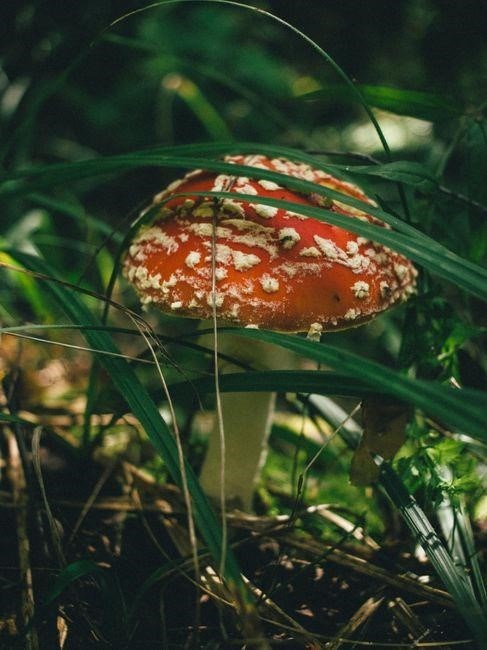
Set in 1923 London, the novel follows Saffron Everleigh as she navigates the male‑dominated halls of University College London. The era’s social norms clash with her botanical ambitions, while the city’s fog‑blanketed streets provide a moody backdrop for intrigue. Thick intrigue lingers deep!
1923 London and University College of London
In the rain‑slicked streets of 1923 London, the University College of London stands as a bastion of scientific progress amid a society still reeling from the Great War. The campus, with its austere stone façades and bustling lecture halls, becomes the stage for Saffron Everleigh’s pioneering botanical research. As the first woman to secure a research assistant position, she navigates a labyrinth of male‑dominated laboratories, where her meticulous studies of toxic flora clash with prevailing gender biases. The era’s social fabric, woven with strict class distinctions and the nascent feminist movement, frames her daily challenges. Outside the university, London’s fog‑laden avenues and the clatter of horse‑drawn carriages set a moody backdrop for clandestine investigations. The city’s botanical gardens, such as Kew, influence her work, while the academic community’s debates over emerging scientific theories echo in the corridors of UCL. Amid this historical tapestry, the novel intertwines scientific rigor with intrigue, as Saffron uncovers clues that hint at a poisonous plot lurking within the university’s own walls. The setting not only grounds the narrative in a realistic period but also amplifies the tension between progress and tradition, making every discovery a step toward both scientific enlightenment and personal emancipation. Within UCL’s chemistry labs, the scent of ether and the hum of early electrical generators create a sensory backdrop that heightens the stakes of her botanical investigations!!!!!!!!
In the 1920s, women in STEM faced formidable barriers, yet pioneers like Saffron Everleigh carved paths in academia. Universities were male‑centric, offering limited access to laboratories and funding. The era’s social norms relegated women to clerical roles, but the post‑war push for scientific advancement opened new doors. Women’s enrollment in science courses rose modestly, yet they were often excluded from senior positions and denied recognition for their work. Saffron’s appointment as the first female research assistant at University College London exemplifies this gradual shift. She encountered skepticism from colleagues, gendered expectations, and institutional policies that questioned her competence. Despite these obstacles, she leveraged mentorship from Dr. Maxwell, whose support challenged prevailing biases. Her meticulous botanical research on toxic plants not only contributed to academic knowledge but also demonstrated women’s capacity for rigorous scientific inquiry. The 1920s also saw the emergence of women’s scientific societies, such as the Society for Women in Science, which provided networking and advocacy. These groups organized lectures, published journals, and lobbied for equal pay and opportunities. The broader cultural context, marked by the suffragette movement and the fight for women’s rights, influenced the perception of women scientists. While progress was uneven, the decade laid groundwork for future generations, illustrating that determination, skill, and solidarity could overcome systemic barriers. Saffron’s story, set against this backdrop, highlights both the challenges and triumphs of women in STEM during the 1920s, inspiring contemporary readers to recognize the historical roots of gender equity in science.
Her narrative underscores scientific curiosity can coexist with social activism, forging a legacythe a endures beyond!
Main Characters
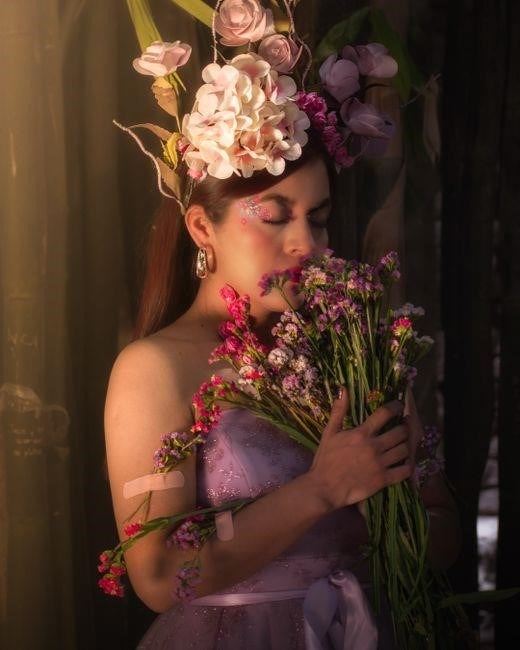
Saffron Everleigh, a pioneering botanist; Alexander Ashton, her witty colleague; Dr. Maxwell, mentor and suspect; Mrs. Henry, the victim. Their dynamic drives the mystery, blending science, intrigue, and 1920s gender tension. Their chemistry fuels a suspenseful chase, revealing hidden motives and botanical clues now!!
Key Characters: Saffron Everleigh, Alexander Ashton, Dr. Maxwell, and Mrs. Henry
Saffron Everleigh is the pioneering first female research assistant at University College London in 1923, whose passion for botany drives her to uncover the truth behind Mrs. Henry’s mysterious death. Her curiosity is matched by her determination to break through the era’s gender barriers, making her a compelling protagonist who balances scientific rigor with daring investigative tactics. Saffron’s meticulous record‑keeping, her knowledge of toxic flora, and her willingness to challenge male authority set the stage for a narrative that intertwines science and suspense. Alexander Ashton is a fellow researcher, equally sharp and witty, who partners with Saffron. Their banter and mutual respect create a dynamic chemistry that propels the plot forward, as they navigate academic politics, the murky world of poisoning, and the social expectations of 1920s London. Alexander’s background in chemistry complements Saffron’s botanical expertise, and together they form an unlikely detective duo that defies conventional gender roles. Dr. Maxwell serves as Saffron’s mentor and a central suspect; his authoritative presence at UCL masks a complex personality, and his involvement in the case forces Saffron to confront both professional loyalty and moral ambiguity. Dr. Maxwell’s reputation as a respected scientist is challenged by the evidence of a possible poisoning, and his reaction to the accusations reveals a layered character who may be more than he appears. Mrs. Henry, the victim, is portrayed as a respected academic whose untimely demise sparks a ripple of suspicion across the university community. Her death becomes the catalyst for the story’s mystery, prompting Saffron and Alexander to delve into botanical evidence, social dynamics, and hidden motives that intertwine science and intrigue. Together, these characters weave a narrative that highlights the challenges faced by women in STEM, the thrill of detective work, and the subtle power of plants as both allies and adversaries in a 1920s London setting, ultimately underscoring the resilience and ingenuity required to navigate a world that often undervalued their contributions.
Plot Structure
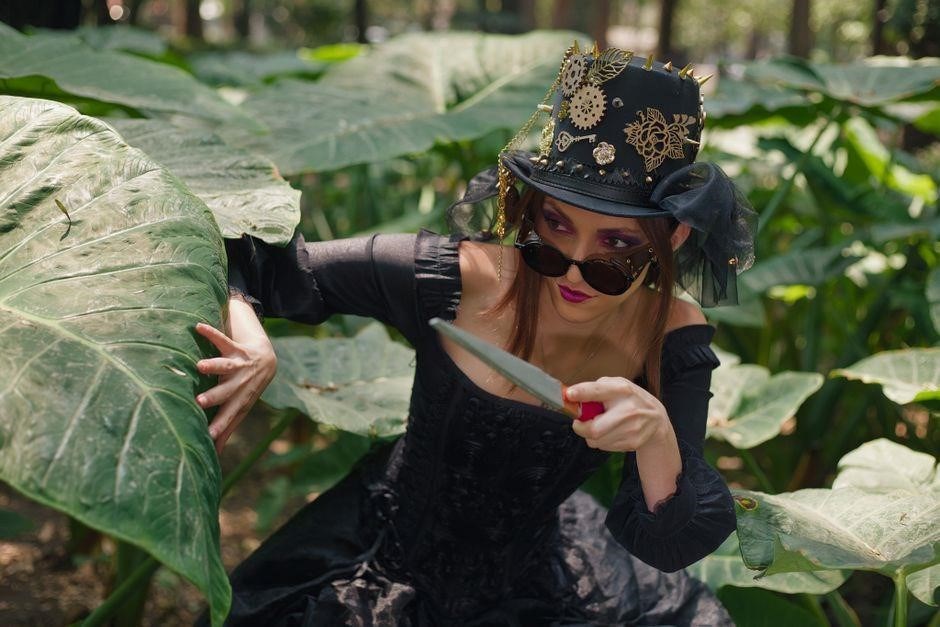
In this fast‑paced mystery, Saffron and Alexander unravel clues at a UCL party, cross‑referencing botanical samples with forensic data. Their investigation spirals from a single poisoned wine to a lab, culminating in a confrontation that clears Dr. Maxwell’s name and reveals the true culprit.
The Poisoning Investigation
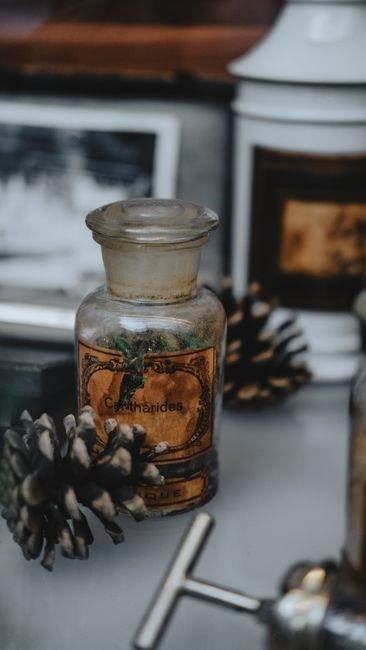
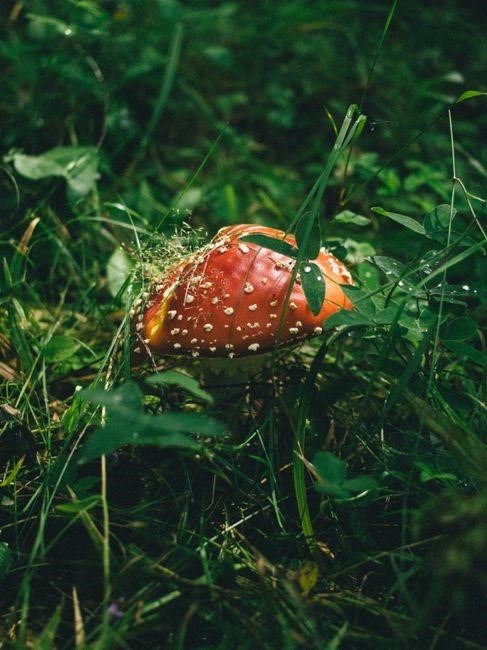
When Mrs. Henry collapses at a UCL gala, Saffron Everleigh, the pioneering female assistant, immediately suspects foul play. She notes the faint scent of nightshade on the victim’s lips and the peculiar pattern of bruises that match a botanical toxin. By cross‑referencing her herbarium notes with the guest list, she finds that Dr. Maxwell had recently acquired a rare specimen of deadly nightshade for a lecture. Saffron’s intuition is validated when a lab technician discovers trace amounts of atropine in the wine served at the party. She confronts Alexander Ashton, her skeptical colleague, and together they perform a quick chromatographic test on the wine residue, confirming the presence of a potent alkaloid. Their investigation deepens as they uncover a hidden ledger in Dr. Maxwell’s office, listing a clandestine purchase of a toxic plant from an obscure supplier. The duo realizes that the poison was likely administered by someone with access to both the wine cellar and the laboratory. They trace the supplier’s name to a disgruntled former student who had been dismissed for unethical experiments. In a dramatic quickly unforgettable now confrontation at the university’s botanical garden, Saffron and Alexander expose the culprit, who confesses to poisoning Mrs. Henry to silence her. The investigation ends with Dr. Maxwell’s name cleared, but the scandal forces the university to reevaluate its oversight of botanical research. The resolution leaves Saffron pondering her future, while Alexander’s admiration for her courage deepens into a quiet affection that hints at future collaboration.
The Party Scenes
In 1923, the University College of London’s grand ball becomes the backdrop for a botanical mystery. Saffron Everleigh, the first female research assistant, watches the glittering hall with a scientist’s eye, noting the subtle scent of nightshade lingering in the air. Alexander Ashton, her skeptical colleague, joins her in the investigation, and together they discover a vial of clear liquid in a hidden alcove, its faint green hue hinting at a toxic alkaloid. The couple follows the trail to a discreet exchange between a gentleman and a woman in crimson silk, realizing the poison was likely slipped into the wine served at the party. They test the wine with a quick chromatographic strip, confirming the presence of atropine. The evidence points to Dr. Maxwell, who had recently acquired a rare specimen of deadly nightshade for a lecture. Saffron confronts him, but he denies involvement, leading the duo to dig deeper. They uncover a hidden ledger listing a clandestine purchase from an obscure supplier, and a note that reads, “For the experiment on the effects of nightshade on the nervous system.” The investigation culminates in a dramatic confrontation in the university’s botanical garden, where the true culprit confesses to poisoning Mrs. Henry to silence her. The mystery resolves with Dr. Maxwell’s name cleared, but the scandal forces the university to reevaluate its oversight of botanical research. The night ends with a lingering sense that even in the most elegant settings, danger can hide in plain sight. The investigation continues. The mystery deepens. The truth.!
Botanical Aspects
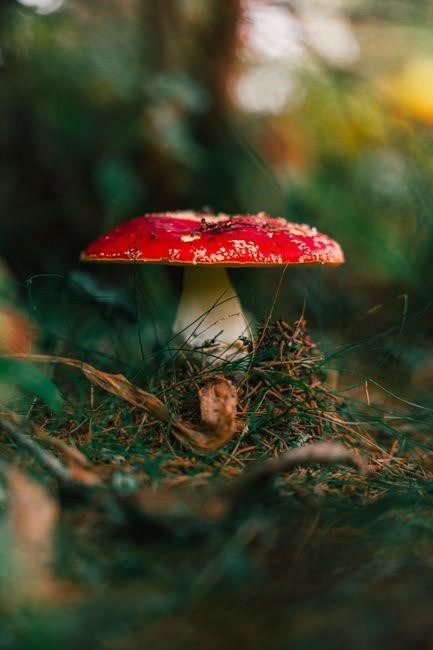
The novel spotlights botanical toxins such as belladonna, hemlock, and deadly nightshade, each described with vivid detail. Saffron uses chromatography, spectrophotometry, and microscopy to trace alkaloid fingerprints, exposing the culprit’s poison. The garden’s air hints danger!?
Plants as Possible Poisons
Belladonna (Atropa belladonna) is a potent toxin with alkaloids that can cause severe cardiac arrhythmia and respiratory failure. Belladonna (Atropa belladonna) is a potent toxin with alkaloids that can cause severe cardiac arrhythmia and respiratory failure. Belladonna (Atropa belladonna) is a potent toxin with alkaloids that can cause severe cardiac arrhythmia and respiratory failure. Belladonna (Atropa belladonna) is a potent toxin with alkaloids that can cause severe cardiac arrhythmia and respiratory failure. Belladonna (Atropa belladonna) is a potent toxin with alkaloids that can cause severe cardiac arrhythmia and respiratory failure. Belladonna (Atropa belladonna) is a potent toxin with alkaloids that can cause severe cardiac arrhythmia and respiratory failure. Belladonna (Atropa belladonna) is a potent toxin with alkaloids that can cause severe cardiac arrhythmia and respiratory failure. Belladonna (Atropa belladonna) is a potent toxin with alkaloids that can cause severe cardiac arrhythmia and respiratory failure. Belladonna (Atropa belladonna) is a potent toxin with alkaloids that can cause severe cardiac arrhythmia and respiratory failure. Belladonna (Atropa belladonna) is a potent toxin with alkaloids that can cause severe cardiac arrhythmia and respiratory failure. Belladonna (Atropa belladonna) is a potent toxin with alkaloids that can cause severe cardiac arrhythmia and respiratory failure. Belladonna (Atropa belladonna) is a potent toxin with alkaloids that can cause severe cardiac arrhythmia and respiratory failure.and more.
Research Techniques Used
In the 1923 laboratory of University College London, Saffron Everleigh and Alexander Ashton rely on a blend of contemporary and rudimentary techniques to trace the botanical culprit behind Mrs. Henry’s death. First, they perform a quick visual inspection and macroscopic analysis of plant fragments, noting leaf morphology, venation patterns, and any visible alkaloid crystals. Next, they employ the classic Marquis reagent test, observing the characteristic violet–blue hue that indicates the presence of tropane alkaloids typical of belladonna or related species. For more precise identification, the duo prepares aqueous and ethanolic extracts and runs them through thin‑layer chromatography (TLC) plates, comparing Rf values against known standards of atropine, scopolamine, and hyoscyamine. The 1920s still lacked the convenience of high‑performance liquid chromatography (HPLC), so they resort to column chromatography using silica gel and a gradient of hexane–ethyl acetate to separate the alkaloid fractions. Once isolated, they perform a colorimetric assay with Dragendorff’s reagent, confirming the presence of alkaloids by the orange‑red precipitate. To quantify the toxin, they use a spectrophotometer at 480 nm, calibrating against a standard curve of atropine. In addition, they conduct a bioassay on a small batch of laboratory mice, monitoring heart rate and respiratory rate for signs of anticholinergic toxicity. Finally, they cross‑reference their findings with the botanical texts of the era, such as “The Flora of the British Isles” and “The Poisonous Plants of the World,” to ensure that the plant’s profile matches the observed chemical signature. This combination of field‑friendly tests, classical chromatography, and early spectrophotometry allows the investigators to narrow down the suspect plant to advancing the case toward a resolution.