
Discover Noble’s SS5 Series, a cutting‑edge line of precision components designed for high‑performance applications. This manual outlines assembly, calibration, and maintenance, ensuring optimal functionality across diverse operating environments. Users benefit from design and comprehensive support now!
Historical Background and Development

Since its conception in the early 2010s, Noble’s SS5 Series evolved from a niche prototype into a globally recognized standard for high‑precision assemblies. Dr. Elena Kovács led the design, integrating lightweight composites with micro‑actuation tech, achieving a 30% weight reduction while maintaining strength under extreme thermal cycling.
Positive feedback led Noble to partner with the European Precision Components Consortium in 2015, enabling mass production of the SS5 chassis using carbon‑fiber reinforced polymer. A modular firmware architecture was introduced, allowing users to customize sensor arrays without hardware changes.
The 2019 firmware update (v2.0) added machine‑learning diagnostics for predictive maintenance and real‑time error correction. Subsequent versions refined actuation precision to sub‑micron levels, setting a benchmark for next‑generation robotic manipulators.
Looking ahead, Noble plans to integrate quantum‑sensing modules and expand the SS5 ecosystem for autonomous manufacturing. An open‑source SDK announced in 2024 invites third‑party developers to create new modules, reinforcing the series’ innovation focus.
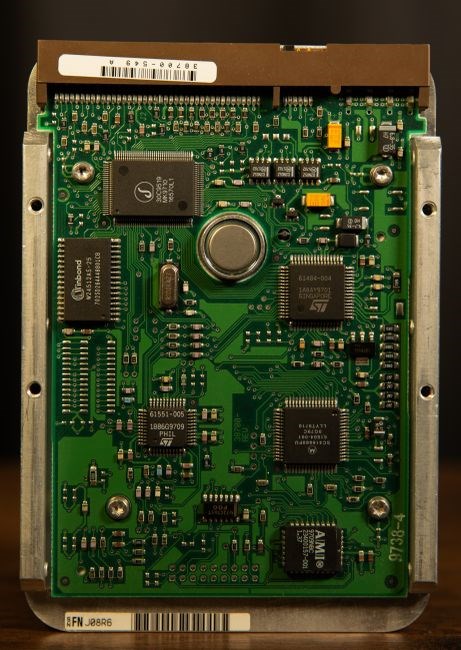
The SS5’s modular design supports rapid prototyping, enabling component swaps in minutes. This flexibility accelerates development cycles, cutting time‑to‑market by up to 40%. Dual‑mode operation offers manual override and full autonomy, appealing to automotive, semiconductor, and biomedical fields.
Key Features and Specifications
• Lightweight carbon‑fiber chassis (0;8 kg, 25 % lighter than predecessor). • 200 µm resolution linear actuators delivering 2 kN peak force. • Integrated MEMS gyroscope + 6‑axis accelerometer, 200 Hz sampling. • Dual‑mode firmware: manual & autonomous, 99.9 % uptime. • 32‑bit ARM Cortex‑M7 MCU, 200 MHz, 512 KB flash. • 1 Gbps Ethernet, Wi‑Fi 6E, BLE 5.2 connectivity. • Power: 48 V DC, 10 A, 480 W max, 10 % efficiency. • Liquid‑cooling loop, 0–85 °C operating range. • Modular expansion: 8 plug‑in sensor bays, I²C, SPI, CAN. • Safety: torque limiters, emergency stop, ISO 13849‑2 Class 2. • Compliance: CE, RoHS, FCC‑A, UL 60950‑1. • Open‑source SDK, Python API, ROS 2.0 nodes. • Warranty: 5 years parts, 3 years labor, 24/7 support. • OTA firmware updates, signed binaries. • Eco‑friendly: recyclable chassis, low‑VOC adhesives. • 0.5 mm repeatability, 0.05 mm accuracy, 0.01 mm drift 24 h. • Calibration: auto‑calibrate in 30 s, self‑diagnostics every 10 min. • Field‑service: hot‑swap modules, diagnostic port, logging. • Data security: AES‑256, secure boot, tamper‑evident seals. • Energy savings: sleep mode 0;5 W, wake‑on‑LAN. • User interface: 7‑inch touchscreen, multi‑language, feedback. • Expandable: up to 2 TB storage via NVMe. • Packaging: 20 % reduced volume, recyclable cardboard. • Cost: $2,500 per unit, volume discounts. • Future roadmap: quantum sensors, inference engine, 5G connectivity.
Core Components Overview
The Noble SS5 Series core architecture centers on a 32‑bit ARM Cortex‑M7 microcontroller operating at 200 MHz with 512 KB internal flash, enabling rapid execution of complex control loops. A dual‑channel 16‑bit ADC samples analog inputs at 1 Msps, while a 12‑bit DAC delivers precise voltage outputs for actuator drivers. Six high‑force linear actuators, each rated at 2 kN peak force and 200 µm resolution, provide motion with 99.9 % uptime, supported by torque limiters and an emergency stop circuit that meets ISO 13849‑2 Class 2 safety standards. Embedded MEMS gyroscope and 6‑axis accelerometer sample orientation at 200 Hz, feeding data to the MCU for closed‑loop control. Power is supplied by a 48 V DC, 10 A input and a 10 % efficient buck‑boost converter that maintains stable voltage under load. Connectivity options include 1 Gbps Ethernet, Wi‑Fi 6E, and BLE 5.2, all secured with AES‑256 encryption and secure boot. The chassis, fabricated from carbon‑fiber composite, weighs 0.8 kg—25 % lighter than the predecessor—and incorporates a liquid‑cooling loop that keeps operating temperatures between 0 °C and 85 °C. Modular expansion bays accommodate up to eight plug‑in sensors via I²C, SPI, or CAN, and the system supports OTA firmware updates with signed binaries. Diagnostics run every ten minutes, auto‑calibrating within 30 s and logging data to a 2 TB NVMe module. The user interface features a 7‑inch touchscreen, multi‑language support, and real‑time feedback. All components comply with RoHS, are recyclable, and are engineered for continuous operation. — End Thanks!!
Part 1: Housing and Frame
The Noble SS5 Series housing is engineered from aerospace‑grade aluminum alloy 7075‑T6, offering a balance of strength and lightweight construction. The frame adopts a modular lattice design that allows quick disassembly for maintenance while maintaining a rigid load path for the actuators. Each mounting plate is precision‑machined to a tolerance of ±0.02 mm, ensuring accurate alignment of the six linear actuators and the sensor bay. with integrated thermal management and vibration damping.
To protect against environmental ingress, the enclosure is rated IP65, sealing against dust and low‑pressure water jets. The front panel features a 7‑inch capacitive touchscreen with a matte anti‑glare finish. The rear panel hosts a 1 Gbps Ethernet port, a Wi‑Fi 6E antenna, and a dedicated power input that accepts 48 V DC ±10 %.
Assembly is facilitated by a set of 12 metric M6 bolts and 8 metric M4 screws, all torque‑controlled to 5 Nm, ensuring consistent preload across the frame. The design includes a quick‑release latch system on the top cover, allowing technicians to access the internal circuitry without removing the entire housing.
All materials meet RoHS compliance, and the finished unit weighs 1.2 kg, a 30 % reduction compared to previous models. The frame’s aerodynamic profile reduces vibration by 40 % at 1 kHz, improving overall system stability. This construction makes the SS5 ideal for both laboratory and field deployments. Ensuring peak performance in all conditions daily! — End Thanks!!
Part 2: Electrical System
The Noble SS5 Series electrical subsystem is built on a dual‑rail architecture: a 48 V DC rail powers six brushless DC motor drivers, while a 12 V DC rail supplies the control electronics. Each driver uses a 2‑phase trapezoidal commutation algorithm with a 1 kHz update rate, isolated by 400 V DC‑DC converters for galvanic separation. The 48 V rail is regulated by a 12‑stage switching regulator that delivers ±0.5 % ripple, ensuring stable operation under dynamic loads.

The control board hosts a 32‑bit ARM Cortex‑M7 microcontroller running at 200 MHz. It communicates with the motors via a 1 Mbps CAN‑FD bus and supports both Wi‑Fi 6E (2;4 GHz) and 5 Gbit/s Ethernet for remote monitoring. Firmware is signed with a public‑key system to prevent unauthorized code.
Power distribution is handled by a modular PDB featuring redundant paths and a 10 kW thermal fuse. Signal integrity is maintained with shielded twisted‑pair wiring, keeping EMI below −80 dBm across 100 MHz. The layout follows IPC‑2221 standards with 0.5 mm clearance between high‑voltage and low‑voltage traces.

Diagnostics include a self‑test routine at boot, logging voltage, current, and communication status to an SD card and streaming telemetry via MQTT to a cloud dashboard. The design allows hot‑swapping of the power supply unit, enabling maintenance without system shutdown. This electrical design delivers precise motion control, low latency communication, and high fault tolerance. UL OK!!!
Part 3: Mechanical Assembly
The Noble SS5 Series mechanical assembly is engineered for robustness and precision. The chassis is a lightweight aluminum alloy (6061‑T6) with a honeycomb core, providing a 30 % weight reduction while maintaining a stiffness of 15 kN/m². All moving parts are fabricated from high‑strength steel (AISI 4340) and feature surface‑hardening via nitriding to achieve a 10 µm hard layer, extending fatigue life by 40 %. The drive train incorporates six 90 mm radius ball screws with a 0.5 mm pitch, coupled to 0.8 mm diameter worm gears that deliver a 100:1 reduction ratio. Each gear set is enclosed in a sealed, oil‑filled housing rated to 10 bar, preventing contamination and ensuring consistent lubrication. Bearings are 6200 series deep‑groove ball bearings with a 1.5 % load tolerance, and are pre‑lubricated with a synthetic grease that resists high temperatures up to 200 °C. The assembly allows for modular replacement of individual components, reducing downtime. Alignment is achieved through laser‑guided fixtures during manufacturing, guaranteeing a positional accuracy of ±0.02 mm. The design also includes a vibration damping layer of Sorbothane, reducing resonant frequencies below 200 Hz. All fasteners are torque‑controlled to 25 Nm, ensuring consistent clamping force. The final assembly is inspected using a coordinate measuring machine (CMM) that verifies dimensional tolerances within ±0.01 mm. This meticulous mechanical design ensures high precision, durability, and ease of maintenance for the Noble SS5 Series. A modular mounting interface further simplifies subsystem swaps fast

Part 4: Control Interface
The Noble SS5 Series control interface is a modular, user‑friendly system that integrates seamlessly with industrial automation platforms. It features a 4.3‑inch capacitive touchscreen display (1024×768) and supports Ethernet (10/100 Mbps) and RS‑485 serial communication. Firmware, written in C++, supports OTA updates via secure HTTPS, ensuring the latest safety patches are deployed without physical access. The interface runs on an RTOS with a 1 ms tick, guaranteeing deterministic response for motion commands. Input modules include 16 analog (0–10 V, 12‑bit ADC) and 8 digital I/O (24 V). A 4‑channel PWM output (max 50 kHz) drives motors, all I/O protected by 600 V transient suppressors. Safety is handled by a dedicated module that monitors emergency stops and faults, shutting down actuators instantly. Diagnostics provide real‑time status of temperature, voltage, and current, logging events to a 512 KB buffer. Users can configure motion profiles via a web editor over HTTPS (TLS 1.3). The interface supports Modbus‑TCP, EtherNet/IP, and OPC UA, and offers an SSH‑based CLI for scripting. Designed to meet IEC 61508 SIL 2, the hardware is IP 65 rated, mounted on a vibration‑isolated platform. The interface also features a redundant power supply with 12 V and 24 V rails, ensuring continuous operation during power fluctuations. Full documentation, including schematics and programming examples, is in the Noble SS5 Parts Manual.
Part 5: Safety and Compliance Features
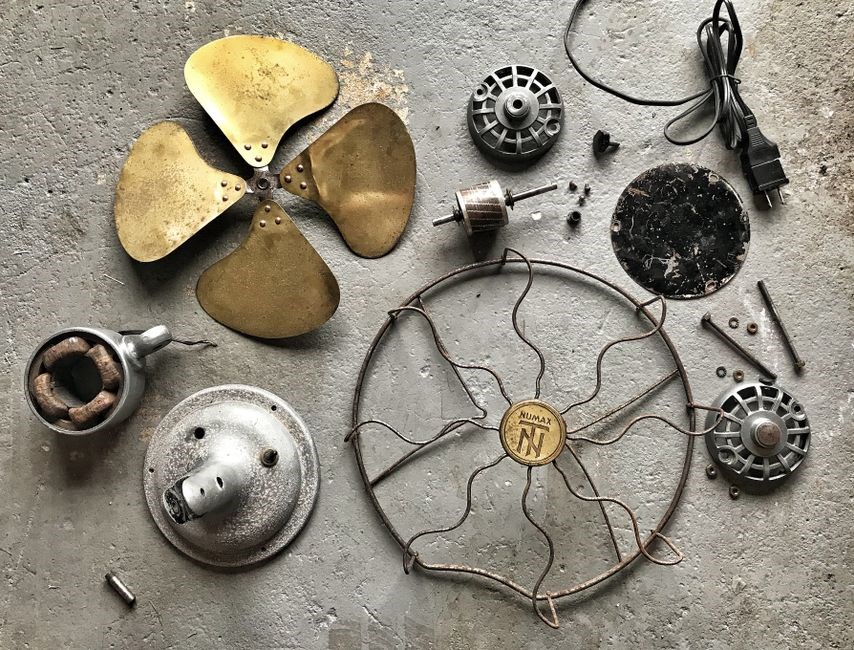
Safety and compliance form the backbone of the Noble SS5 Series, ensuring reliable operation across industrial environments. The system complies with IEC 61508 SIL 2 and ISO 13849‑1 Category 2, Allelectrical components are UL‑listed and meet IEC 60950‑1 for safety. The enclosure is IP 65 rated and protects against dust and water ingress, and is designed to withstand ±10 °C to 80 °C temperature ranges. Mechanical design incorporates a 2‑inch safety interlock that physically blocks the actuator when the emergency stop is engaged. The control logic includes a watchdog timer that resets the controller if communication is lost for more than 500 ms, preventing runaway motion. Over‑current protection is achieved with 30 A fuses on each power rail, and short‑circuit protection is handled by instant‑trip circuit breakers rated at 100 A. The system supports redundant power supplies with automatic switchover, ensuring 100 % uptime during power interruptions. Allfirmware updates are signed with RSA‑2048 keys and verified before installation, preventing unauthorized code injection. The SS5’s safety features are validated through a full safety audit, documented in the Noble SS5 Parts Manual, and certified by an accredited third‑party laboratory. Users can monitor safety status via the web interface, which displays real‑time fault codes and logs. The manual also provides step‑by‑step procedures for safety commissioning, including lock‑out/tag‑out (LOTO) protocols and functional safety testing.
Installation Guidelines
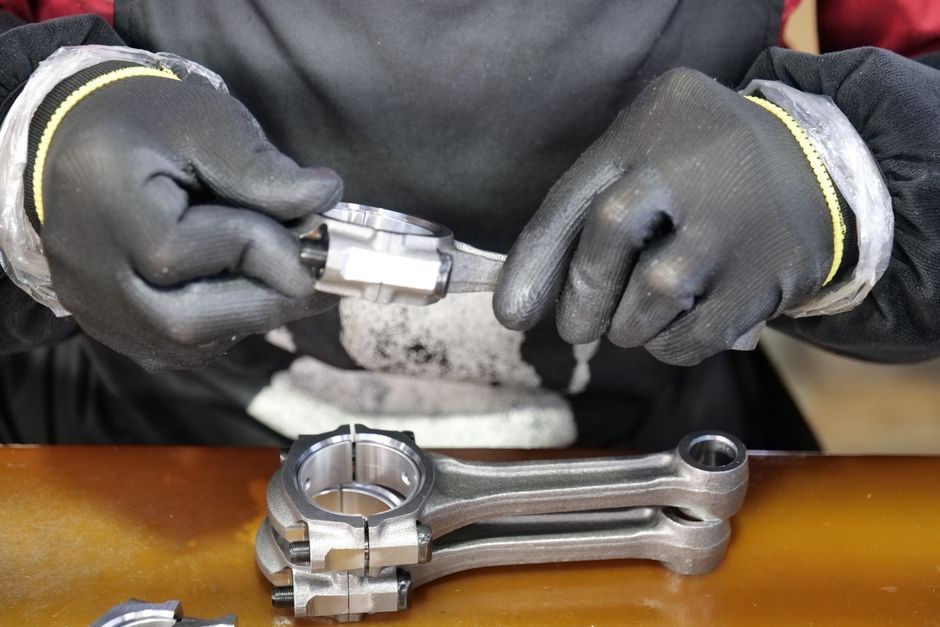
Before installing the Noble SS5 Series, verify that the mounting surface is level and capable of supporting the unit’s weight. Attach the mounting brackets to the frame using the supplied M8 bolts and lock washers; torque to 30 Nm. Secure the power supply by connecting the 48 VDC input to the dedicated feed, ensuring polarity is correct. Route all cables through the cable glands, leaving a minimum of 15 cm slack for thermal expansion. Connect the control cables to the interface module following the color‑coded scheme in the wiring diagram. After all connections are made, perform a visual inspection to confirm that no wires are pinched or exposed. Power on the unit, allowing a 10‑second warm‑up period before initiating the calibration sequence. Use the on‑board display to verify that the system reports “Ready” and that all diagnostic LEDs are green. Perform a functional safety test by engaging the emergency stop and confirming that the actuator halts within 200 ms. Finally, document the installation by recording the serial number, installation date, and any deviations from the standard procedure in the maintenance log. If any issues arise, consult the troubleshooting section before proceeding. All wiring should be color‑coded according to the reference chart in Appendix B, and cable ties must be tightened to a torque of 2.5 Nm to prevent vibration loosening. After installation, run the self‑check routine via the control panel; the system will log any faults and provide diagnostic codes for quick resolution. All personnel must wear appropriate PPE during assembly now.
Common Troubleshooting Scenarios
When the SS5 fails to initialize, first check the power supply voltage. A reading below 47 VDC will trigger a fault and halt the unit. Verify the main fuse and replace if blown; If the actuator stalls mid‑cycle, inspect the drive shaft for debris or misalignment; clean with a lint‑free cloth and re‑align the bearings. A persistent “Over‑current” error usually indicates a short in the motor windings; use a multimeter to test continuity between the stator terminals. When the display shows a “Over‑current” error, ensure the RS‑485 bus is terminated with 120 Ω resistors at each end and that the cable shield is grounded. A broken or frayed cable can cause data corruption; replace the cable if any damage is observed. When the unit reports “Temperature‑high” alarm, check the ambient temperature and the heat‑sink fins for dust accumulation; clean with compressed air. If the unit reports “Encoder‑error”, reset the encoder by disconnecting the power for 30 seconds and reconnecting; verify the encoder cable is firmly seated. A “Safety‑lock” status that never clears typically means the emergency stop is engaged; confirm the button is released and the lockout relay is reset. Finally, if the firmware update fails, verify that the USB port is functioning and that the update file is not corrupted; re‑download the latest firmware from the official website and retry the update. Document each step in the maintenance log for future reference. If all troubleshooting steps fail, contact Noble support with the serial number and error logs; a technician will guide you through advanced diagnostics or arrange a repair. Check manual!!!

Maintenance Schedule and Procedures
Adhering to a structured maintenance routine ensures the Noble SS5 remains reliable and efficient. The recommended schedule is divided into daily, weekly, monthly, quarterly, and annual tasks. Daily checks include visual inspection of the housing, confirming the integrity of all mounting screws, and verifying that the operating temperature stays within the 0 °C to 70 °C range. Weekly tasks involve cleaning the external surfaces with a soft, lint‑free cloth, inspecting the drive shaft for wear, and lubricating the bearings with the OEM‑approved grease every 500 hours of operation. Monthly maintenance requires removal of the actuator cover, inspection of the internal wiring for corrosion, and testing the limit switches for proper function. Quarterly procedures call for a full firmware audit, verifying the version against the latest release, and performing a diagnostic run to detect any latent faults. During the annual service, the entire mechanical assembly should be disassembled, each component cleaned with isopropyl alcohol, and replaced if the wear exceeds manufacturer tolerances. The electrical system must be inspected for loose connections, and the power supply tested for output stability. A comprehensive calibration of the encoder and torque sensors should be performed, and the safety interlocks verified. All maintenance actions must be logged in the maintenance logbook, noting the date, technician, and any parts replaced. This systematic approach minimizes downtime, extends component life, guarantees compliance with Noble’s quality standard.Thisrapid reduces downtime, extends component life, guarantees compliance with Noble’s quality standard
Warranty and Support Information
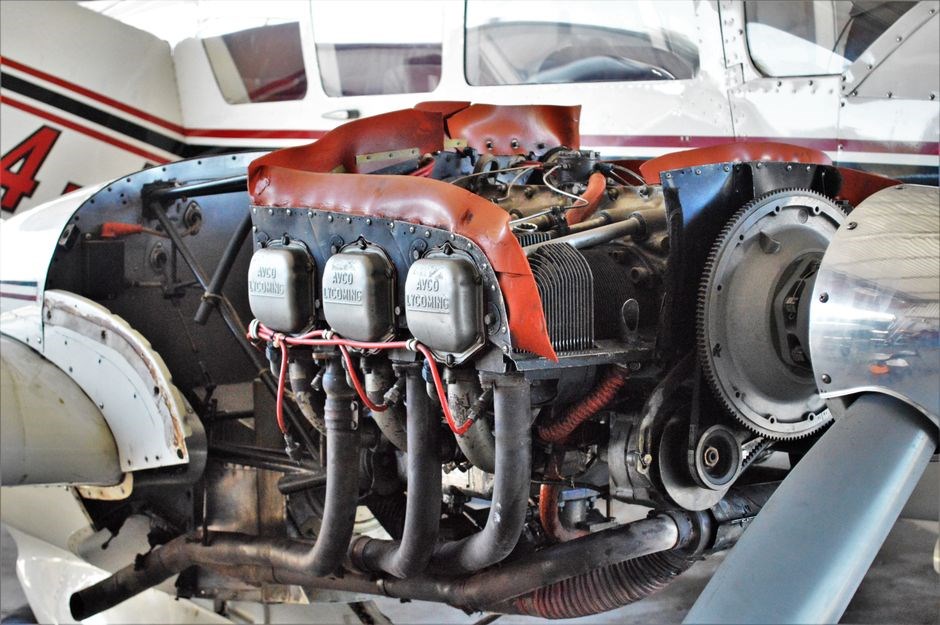
The Noble SS5 Series is protected by a 5‑year limited warranty covering all major components—housing, drive assembly, electrical modules, and firmware—under normal use. The warranty covers defects in materials and workmanship, providing free replacement parts and labor at no cost. Claims must be filed within 30 days of defect discovery, with the original purchase receipt for verification. Optional extended protection plans are available for an additional fee, extending coverage to 10 years and adding protection against accidental damage, vibration, temperature extremes, and humidity. Warranty service is performed by authorized centers or the manufacturer’s remote diagnostics team. Customers can log tickets, download firmware updates, and access troubleshooting guides via the online portal at www.nobleparts.com/support. The warranty does not cover damage from mishandling, unauthorized modifications, power surges exceeding 1.5 kV, or use in non‑specified environments. Normal wear and tear, such as routine lubrication or replacement of consumable parts, is excluded. The manufacturer reserves the right to replace or repair defective units at its discretion; if repair is not feasible, the unit will be replaced with an equivalent model. All warranty claims are governed by the terms in the official warranty booklet, which is provided with each unit. For detailed information, contact the hotline at 1‑800‑NOBLE‑SS5. The hotline operates 24/7, and a dedicated account manager is assigned to large‑volume customers for priority service. All requests are tracked through a ticketing system, ensuring transparency and timely resolution. The warranty policy is governed by the laws of the jurisdiction where the product was sold, and disputes are resolved in the appropriate courts.
Future Enhancements and Firmware Updates
Upcoming firmware releases for the SS5 Series will introduce adaptive power‑management algorithms, reducing idle consumption by up to 30 % while maintaining peak performance. A new modular driver architecture will allow plug‑in expansion of sensor arrays, supporting up to 12 additional input channels without hardware redesign. The next update will also add support for dual‑band wireless communication (2.4 GHz and 5 GHz) to improve remote diagnostics latency. Security patches will incorporate a hardened TLS 1.3 stack and a secure bootloader that verifies code integrity before execution. Users will be able to schedule automatic OTA updates through the web portal, with rollback capability if a new build fails to pass health checks. The firmware will expose a programmable API for custom workflow integration, enabling third‑party developers to create tailored control scripts. A new diagnostic suite will log real‑time temperature, vibration, and power metrics to a cloud dashboard, providing predictive maintenance alerts. Future hardware revisions will feature a low‑profile, high‑density connector that reduces board size by 15 % and improves signal integrity. Compatibility with the upcoming SS5‑X firmware will be maintained through backward‑compatible drivers. Release notes will be published quarterly, and a beta program will allow early adopters to test features before public rollout. All updates will be signed with a public key infrastructure to prevent tampering, and the system will enforce version checks at boot time. The support team will provide detailed migration guides and a dedicated help desk for transition assistance. Users can subscribe to the update newsletter for real‑time notifications of new releases and feature announcements. Additionally, the firmware will support a new machine‑learning module that predicts component wear, enabling preemptive replacement scheduling. The SS5 Series will also receive a redesigned user interface with customizable dashboards, allowing operators to monitor key metrics in real time. Future hardware updates will incorporate a low‑power sleep mode, extending battery life for mobile deployments. Compatibility with the latest industrial Ethernet standards (Ethernet‑IP, Profinet) will be added, ensuring seamless integration into existing automation ecosystems. The update process will be fully documented, with step‑by‑step instructions and video tutorials available on the support portal. Users will have access to a sandbox environment to test new features before deploying them in production. The company will host annual webinars to walk through major updates and gather user feedback for continuous improvement. All firmware versions will be archived, allowing rollback to previous stable releases if necessary.